Aircrew Parachute Harness/Pack – Vulcan & Victor Crew Seats: Historic Aircrew Escape Assembly
Aircrew Parachute Harness/Pack – Vulcan & Victor Crew Seats: Historic Aircrew Escape Assembly
Blog Article
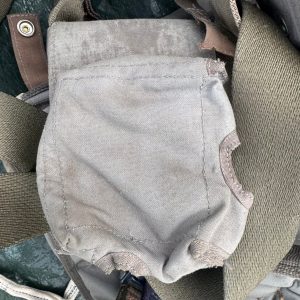
The Aircrew Parachute Harness/Pack – Vulcan & Victor Crew Seats provides strong commercial and historical appeal when its identity, condition, completeness, configuration, and documentation are described accurately.
An Aviation Parachute Harness provides the structural connection between the wearer and a compatible parachute system, while a Pilot Parachute Harness must fit correctly and correspond with the intended equipment configuration.
Every Aircraft Emergency Parachute Harness, Aircrew Safety Harness, Flight Crew Parachute Harness, Emergency Parachute Harness, or Military Aircrew Harness requires individual inspection because age, storage, wear, and modification can affect condition.
Accurate descriptions of Aircraft Crew Safety Equipment and Aircrew Emergency Equipment support better purchasing decisions and stronger SEO performance.
The Aviation Safety Harness may have historical value, while the Flight Parachute Harness and Aircraft Parachute Equipment should be assessed by qualified specialists before any safety-related use.
Exploring the Aircrew Harness and Pack Configuration
Detailed identification protects historical accuracy and reduces incorrect compatibility claims.
Complete package information helps buyers estimate restoration needs and historical value.
Understanding Aviation Harness Materials
A complete inspection should examine both obvious wear and less visible age-related deterioration.
Original thread can lose strength even when the stitch pattern remains visually intact.
Pilot Parachute Harness Fit and Adjustment
The adjustment range should be documented when labels or original information are available.
Buckles and adjusters should move without excessive force, binding, corrosion, cracking, deformation, or damage to adjacent webbing.
Evaluating Historic Escape Equipment
An Aircraft Emergency Parachute Harness is intended to connect the wearer securely with a compatible parachute and escape system during emergency procedures.
Attachment points should be checked for deformation, wear, corrosion, cracks, missing components, incorrect hardware, and evidence of loading or repair.
Historic Aircrew Restraint Equipment
The intended function should be established through technical references and component markings rather than appearance alone.
Proper storage protects the Aircrew Safety Harness and reduces further deterioration.
Historic Flight Equipment Condition Review
The condition of a Flight Crew Parachute Harness should be described using specific observations rather than broad terms such as excellent, serviceable, or ready for use.
Documented history can add substantial collector value.
Emergency Parachute Harness Inspection
A documented inspection preserves both technical information and collector value.
Professional advice may be appropriate when preservation or safety classification remains uncertain.
Vulcan and Victor Aircrew Equipment
A Military Aircrew Harness associated with Vulcan and Victor crew seating can hold significant interest for collectors of British military aviation, historic aircraft equipment, and Cold War-era artifacts.
Support points should distribute weight without stretching aged webbing or stressing fittings.
Evaluating Emergency Escape Gear
Seat design, parachute pack, harness connections, release mechanisms, crew procedures, aircraft configuration, and survival equipment may all interact.
Reference photographs and manuals may help reconstruct the intended arrangement.
Military Parachute Pack Components
The exact configuration should be listed clearly so buyers understand what is included.
Unverified components should be identified as unknown rather than assigned an unsupported function.
Aircraft Crew Safety Equipment
One serviceable-looking component does not establish the condition of the complete crew-safety system.
Aggressive washing, chemical treatment, polishing, repainting, or hardware replacement can reduce originality and damage click here materials.
Aircrew Emergency Equipment Applications
Historical context can be as important as cosmetic condition.
Replacement straps or hardware should be disclosed when known.
Evaluating Historic Parachute Systems
A Pilot Emergency Parachute System includes more than a harness because the pack, canopy, deployment equipment, connections, fit, inspection status, and operating procedures all matter.
Responsible handling protects the Pilot Emergency Parachute System and its provenance.
Collectible Military Parachute Equipment
Its visual impact is enhanced when straps, pack, fittings, labels, and attachments remain arranged accurately.
Controlled access supports preservation of the Aviation Safety Harness.
Evaluating Parachute Harness Value
An operational buyer requires entirely different inspection, certification, and system-compatibility considerations.
Price should reflect the complete evidence rather than aircraft-name keywords alone.
Crew-Seat Harness Compatibility
Visually similar fittings can have different functions, load requirements, or attachment relationships.
The seat itself should be reviewed for attachment points, routing, hardware, clearances, and equipment relationships before a harness/pack is installed for display.
Aircrew Harness Pre-Purchase Checklist
A detailed review reduces uncertainty and supports realistic valuation.
- Determine whether the canopy, deployment components, release equipment, inspection cards, storage bag, manuals, or other items are included.
- Arrange specialist evaluation whenever condition, authenticity, completeness, or intended use remains uncertain.
- Retain purchase records, photographs, provenance documents, packaging, and condition reports with the collection or restoration file.
Protecting Military Aircrew Equipment
The assembly should receive padded support so heavy hardware does not rest directly on aged webbing.
Condition photographs taken from consistent angles can reveal gradual changes over time.
Historic Parachute Equipment Presentation
The harness should be arranged according to reliable reference material without forcing stiff components into position.
Interpretive material can explain the relationship between the harness, pack, crew seat, aircraft role, and emergency system.
Long-Term Aircrew Harness Care
Conservation decisions should consider both material stability and historical value.
An incomplete but authentic assembly may hold greater historical value than a heavily reconstructed example.
Aircrew Parachute Harness Conclusion
The Aircrew Parachute Harness/Pack – Vulcan & Victor Crew Seats offers stronger commercial appeal when labels, webbing, fittings, pack components, history, and documentation are presented transparently.
The strongest purchasing decision begins with confirming part numbers, manufacturer, production period, crew-seat relationship, webbing condition, stitching, hardware, pack contents, repairs, storage history, provenance, and intended sale status.
Whether the requirement is an Aviation Parachute Harness, Pilot Parachute Harness, Aircraft Emergency Parachute Harness, or Aircrew Safety Harness, individual condition assessment should guide the purchase.
With transparent condition reporting, complete photography, secure shipping, specialist review, and controlled handling, the equipment can support a professional Vulcan or Victor crew-seat project.
Report this page